Let’s consider a scenario:
Child: Whilst engaged in self-play on his cot, hears footsteps. Mira’s eyes dashes towards the sound, as the walking figure slowly comes into the picture. At seeing her mother approaching, Mira’s eyes brighten with joy, and she starts cooing as if calling her mother.
Kind of an everyday scene. Nothing Fancy! However, there can be various responses to the above scenario. The kind of response will leave an impression on the infant’s growing mind, and act as a reference to Mira while forming her relationship with others!
Scene 1:
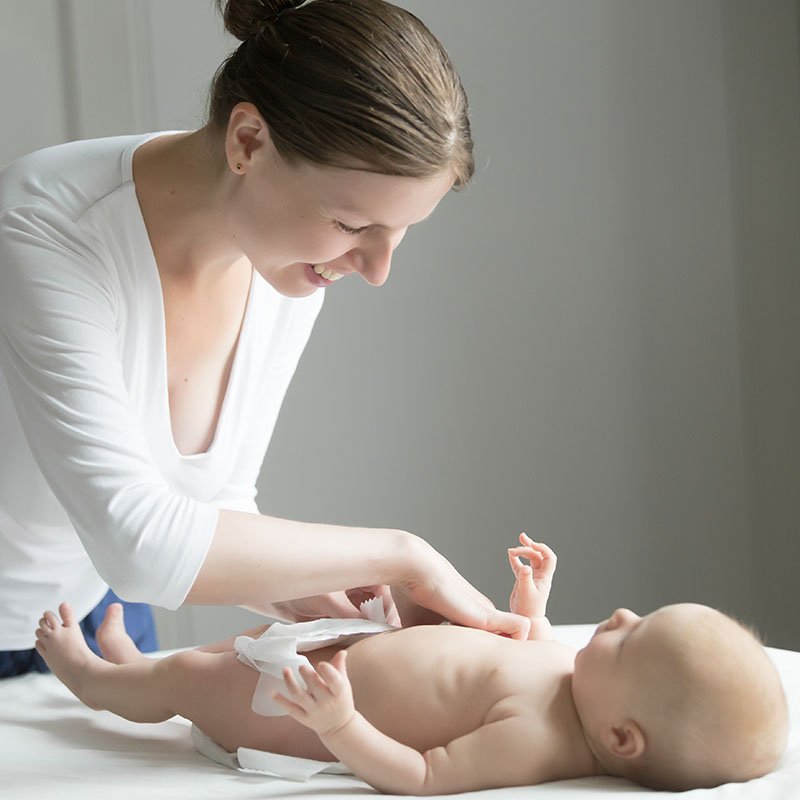
The mother makes eye contact and warmly greets Mira. On noticing dampness, she strikes a conversation “Oh sweetie, looks like you need a diaper change!” She informs the child: “I am going to pick you up now” saying so she continues her lovingly smile and prepares the baby for a change.
Here, the mother speaks directly to Mira about what she was going to do, using body movements that matched her words. Mira in turn, used her body, facial expressions, and voice to communicate her responses. The parent further responded to her non-verbal responses by interpreting, answering, and discussing.
Scene 2:
The mother, amidst her chores, hurriedly walks towards Mira, feels the diaper, lifts the baby and changes the diaper. Smilingly puts the baby back into the cot and returns back to her chores.
As opposed to scene 1 where the parent made her presence felt, interacted before checking for diaper, here, the mother hastily approaches and swoops up the baby unexpectedly, without a word of acknowledgement to the person inside the diaper.
If we place ourselves in place of the baby, wouldn’t such action seem disrespectful?
Sowing the seeds of attachment:
Series of responsive interactions as illustrated in scene 1 is what builds a partnership. This feeling of being part of a team instead of an object to be manipulated is vital to wholesome development. Reciprocal interactions like these promote attachment between parent and the child. Another benefit from a series of such interactions is that the baby develops a cooperative spirit. A spirit that then stays within, for life!