Children are born with innate capacity to communicate, both verbally & non-verbally.
It is one of the primary requirements of survival for them.
It is also, the ability to convey feelings and ideas with others, and maintain interaction with a loved one.
During the first 3 years of life, the brain undergoes its most dramatic development and the child acquires the ability to think, speak, learn, and reason. This rate of development however, depends on the adults to respond to their baby’s effort to “tell” what s/he has in mind.
Communication and language development are all about giving your child opportunities to speak and listen in a range of situations, and to nurture their understanding, confidence and skills in expressing themselves.
Positive early language and literacy development can give your child a window to the world, helping to ensure that s/he can capitalize on his or her potential for future success.
Unfavorable scenarios, might critically affect the brain’s architecture and the child begins to fall behind.
Social relations wiggle its way into the baby’s life right after birth. Tending parents become the centre of attention of the baby. Constant talk, affection, attention generates the need for new impressions (Bozhovich, 1981), i.e. the need:
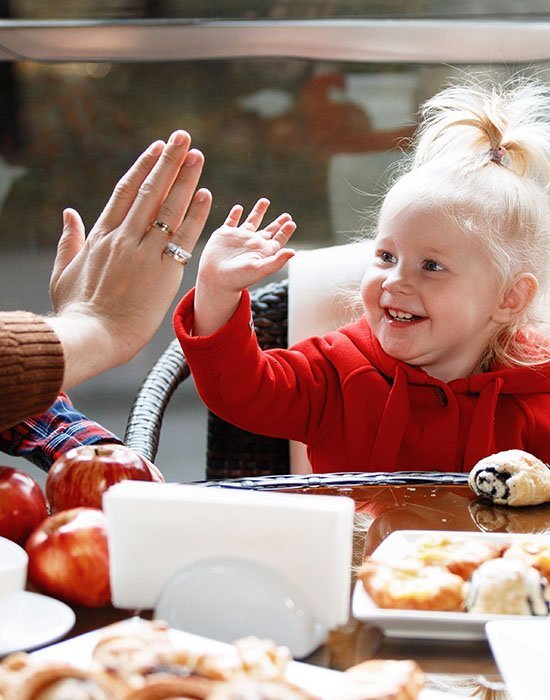
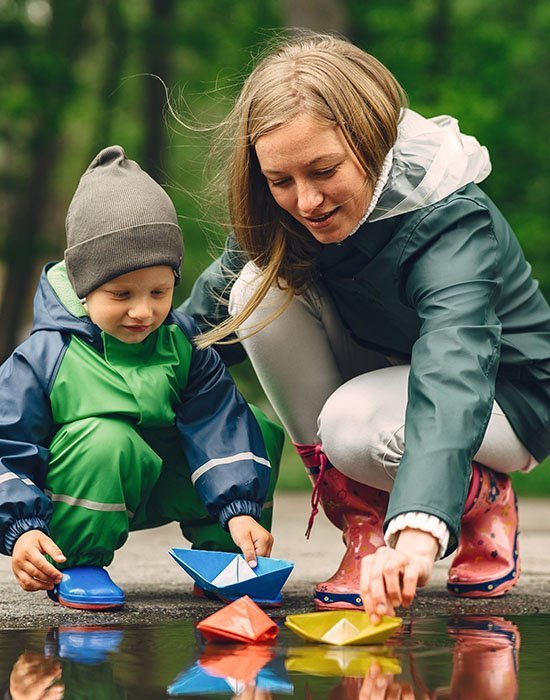
Parent–infant ‘interaction’ is a key factor towards fostering communication & language development in infants. It is not just about “quantity of words” the infant hears. Vocabulary Enrichment is also a function of the “quality of Interaction” with parents and other adults around.
Toddlers ‘teach themselves’ via everyday interactions especially ‘with you’! As the child steps into toddlerhood. There is an obvious increase in the ability to communicate. With the onset of language, the child is now able to gather information and better able to clarify needs.
Apart from communication, language has a significant impact on ‘thought, cognition, and self-regulation’. Experiences can be recalled, and talks can happen by labelling a word against an object. With time the memory bank of the child grows, having all these labelled experiences.
By developing communication as a life skill, children can establish positive relationships and learn to express themselves from an early age. So dear parents, lead through example, starting today! All you need to do this be mindful of the way you interact not just with your kid, but also with people around him/her.
Parents’ uses of decontextualized language are associated with their child’s later vocabulary, narrative skills, and reading comprehension skills. It is important to understand that preschoolers have the vocabulary knowledge and cognitive capacity to handle the challenges of decontextualized language.
Apart from rapid vocabulary expansion, by this age your child has also developed an understanding of the function and purpose of language. Trigger and spark conversation with your child throughout the day. Help and encourage your child to pick up new words or practice existing ones in fun, stimulating, and supportive environments.
Please note:
This action will also remove this member from your connections and send a report to the site admin.
Please allow a few minutes for this process to complete.