Types of Motor Development
1. Neuromuscular Skill Development:
Evidence indicates that typically developing children should be able to master most, if not all fundamental movement skills by 6 years of age.
Fundamental movement skills are considered the building blocks to more complex, sport-specific skills which do not develop naturally over time and are often categorized into three categories:
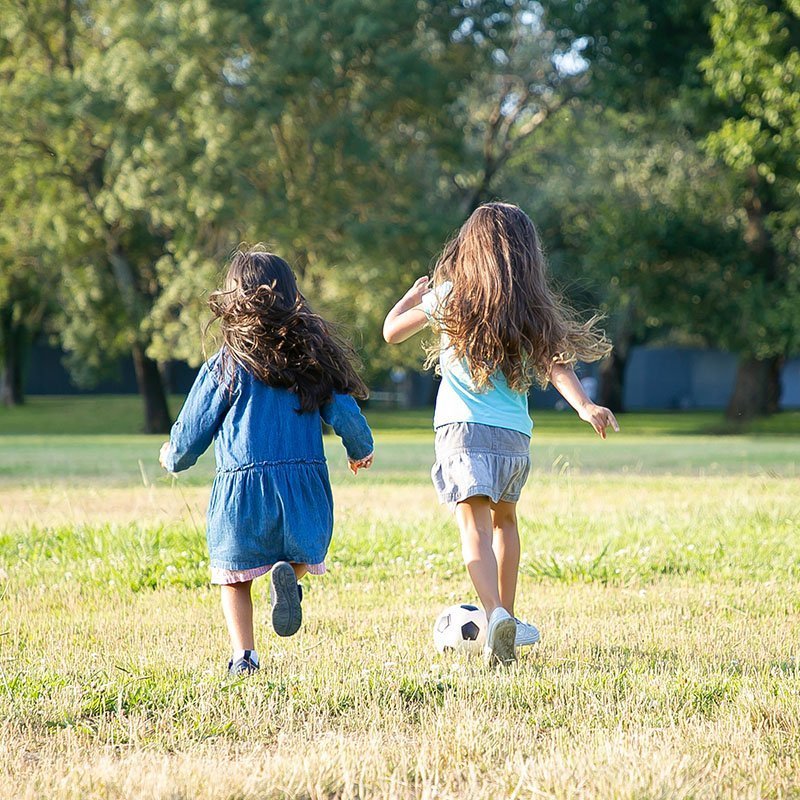
- Locomotion (Eg: running, hopping, and skipping),
- Object control (Eg: throwing, catching and kicking) and
- Stability (Eg: landing, turning and bracing).
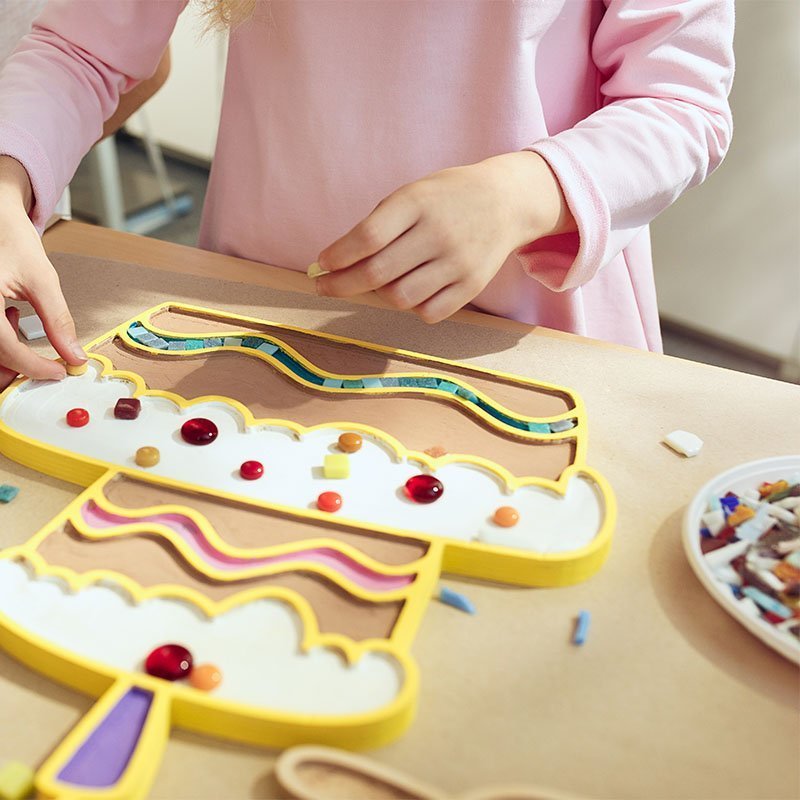
Having stepped into formal school, primary graders are expected to be developmentally ready; i.e. the ability to produce controlled movement in terms of form, skill and accuracy, through coordinated muscle activity. These require more complex combinations of muscle movements and selection of the “best” ways of performing in a wide variety of activities (games, sports and dance experiences). Multi-limb functional movements are achieved when there is a seamless trained movement of multiple muscles, all controlled by the central nervous system.
Neuromuscular skill development plays a major role in determining the onset and extent of development of the movement repertoire of the child.