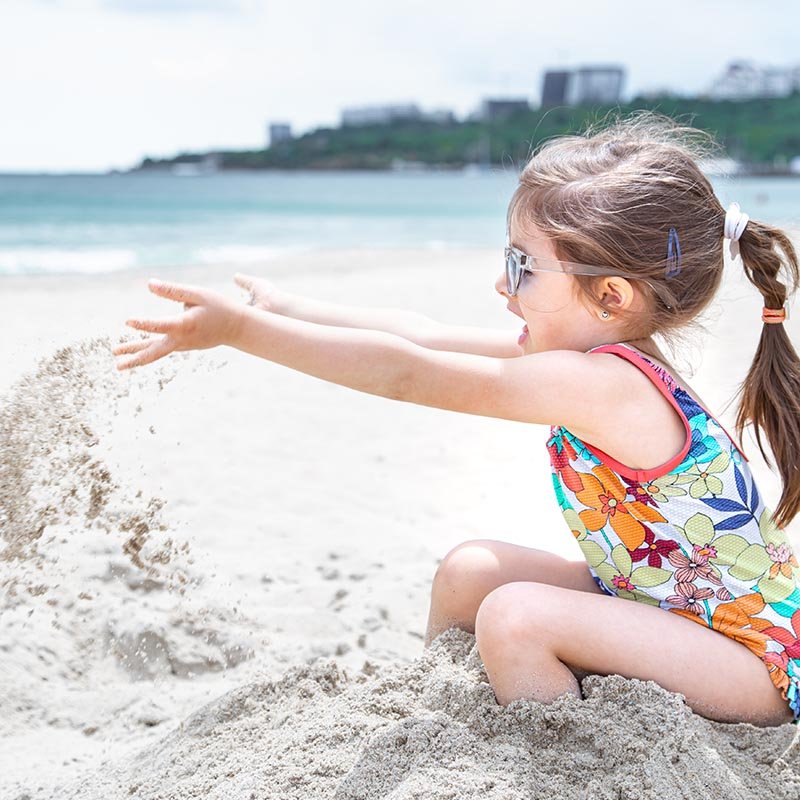
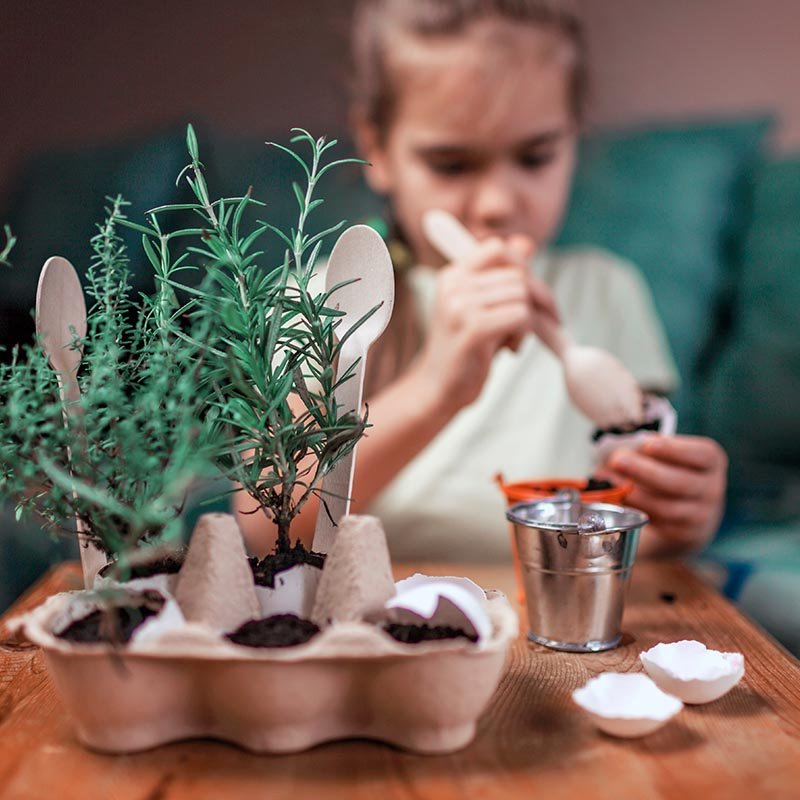
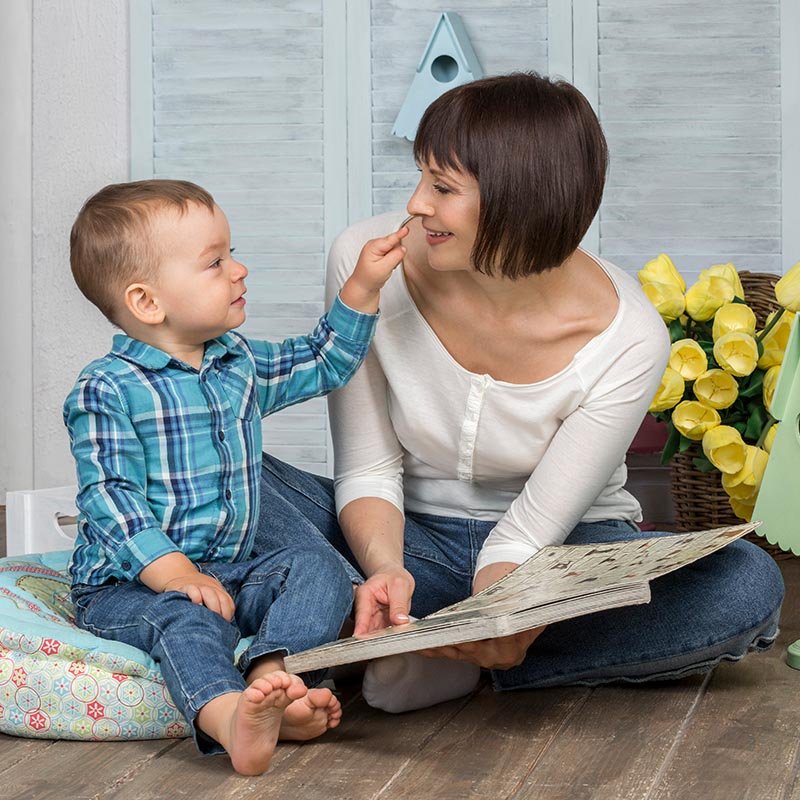
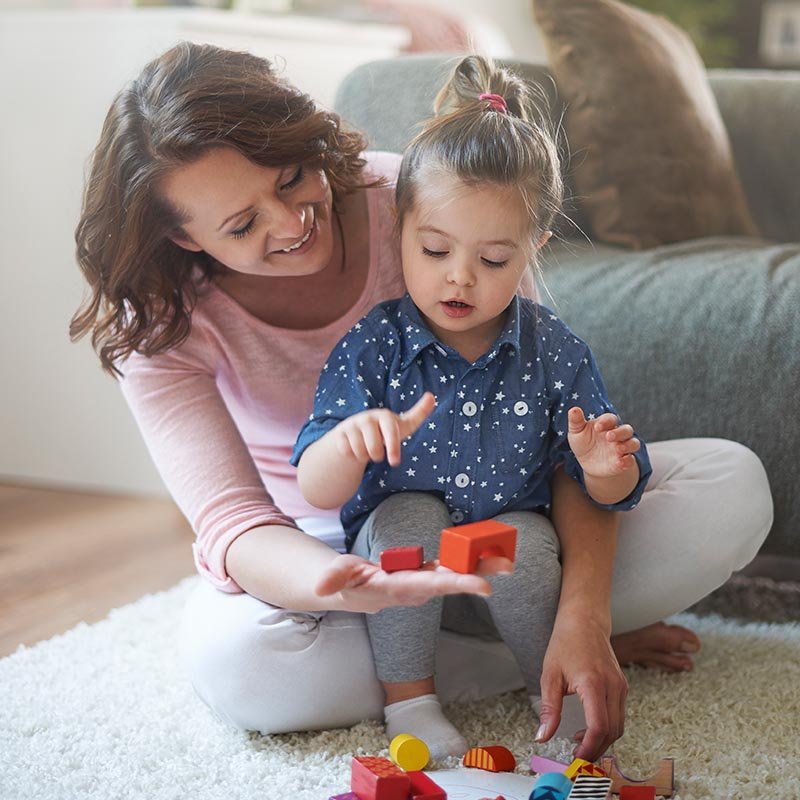
The developing ability of the child to engage with the environment with the help of their sensory(vision, auditory and tactile abilities) and emerging motor skills.
Yes, a Lot happens in their little bodies… at such a rapid pace!
There is a mutual dependency between perception (process of taking in, organizing, and interpreting sensory information) and the ability to control the body’s movements including the movement of the eyes. This hones the child’s intellectual skills and co-ordination thereby resulting in a positive body image.
Perceptual Motor skills include:
- Body Awareness: Ability to locate one’s body parts and understands their functions
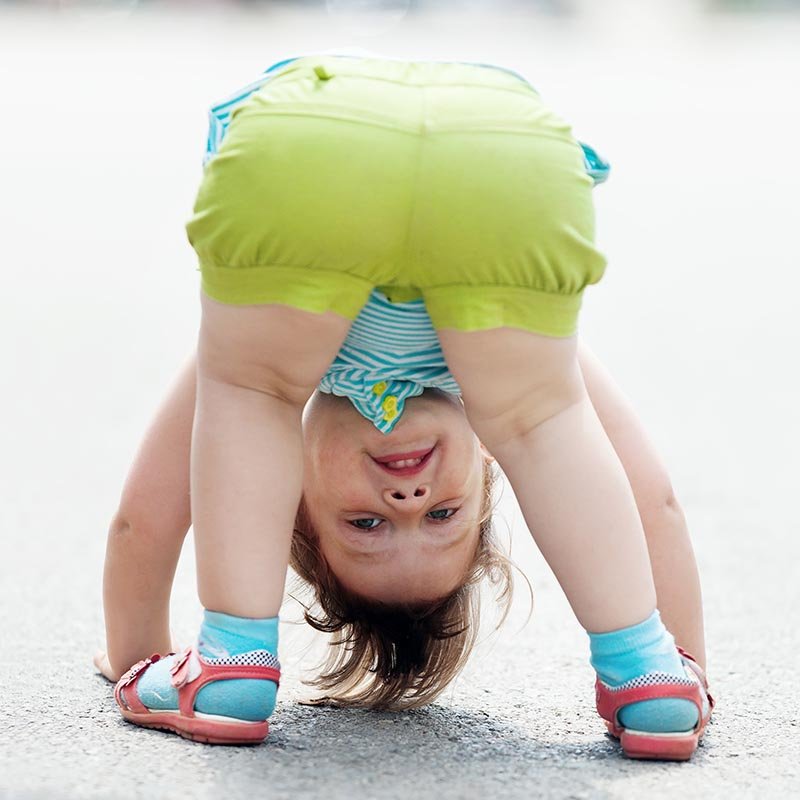
- Spatial Awareness: Being aware of the space occupied by one’s body and the ability to position or manoeuvre it
- Directional Awareness: Ability to differentiate between up & down; lef & right; front & back; top or bottom
- Temporal Awareness: Recognises of time passing, sequence of events, and the prediction of speed, or pace of arriving object
Adequate perceptual motor skills enable children to enjoy better coordination, greater body awareness, stronger intellectual skills, and a more positive self-image. Difficulties in reading and writing can be a direct result of poor perceptual motor development.
Parents need to keep an eye on the following abilities of their developing young child:
– Auditory language skills (hearing and speaking age appropriately) are necessary for attention, processing and following directions as well as for reading and comprehension.
– Visual-spatial perception (to meaningfully comprehend the seen information). Critical for development of visual memory skills as well as remembering things visually (sequentially) : sizing, organization, letter orientation (b vs d), depth perception, expressive arts, music, dance
– Attention centre functions (Ability to process and retain information) like imitating using body parts or objects, pointing, identifying
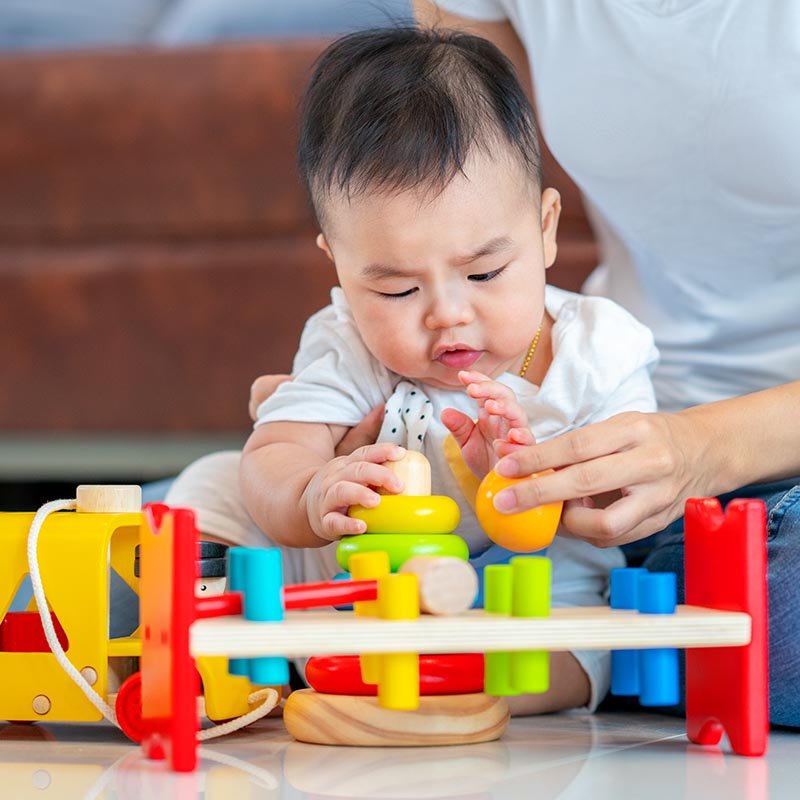
– Eye-hand coordination (Processing of visual input to guide movement of hands) like lacing, hammering, catching moving objects
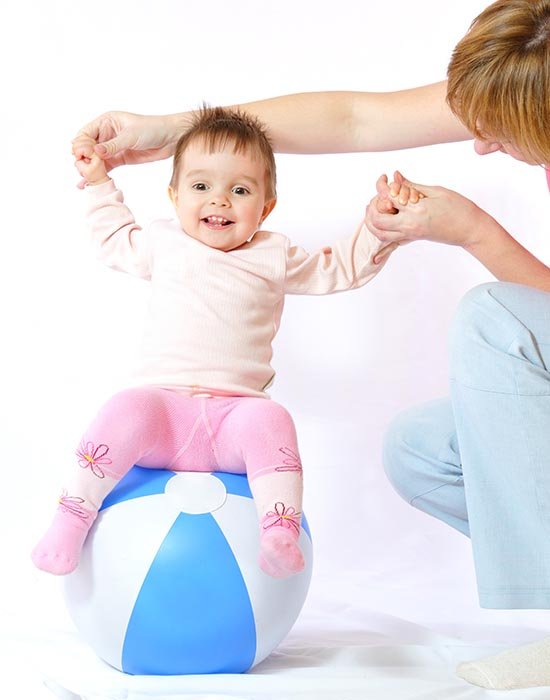
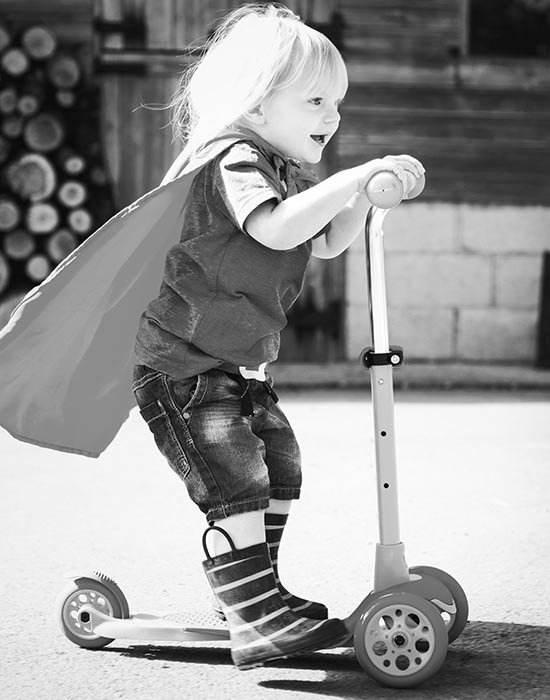
– Spatial Activities like: moving, comparing, exploring through: walking, rolling, jumping, catching
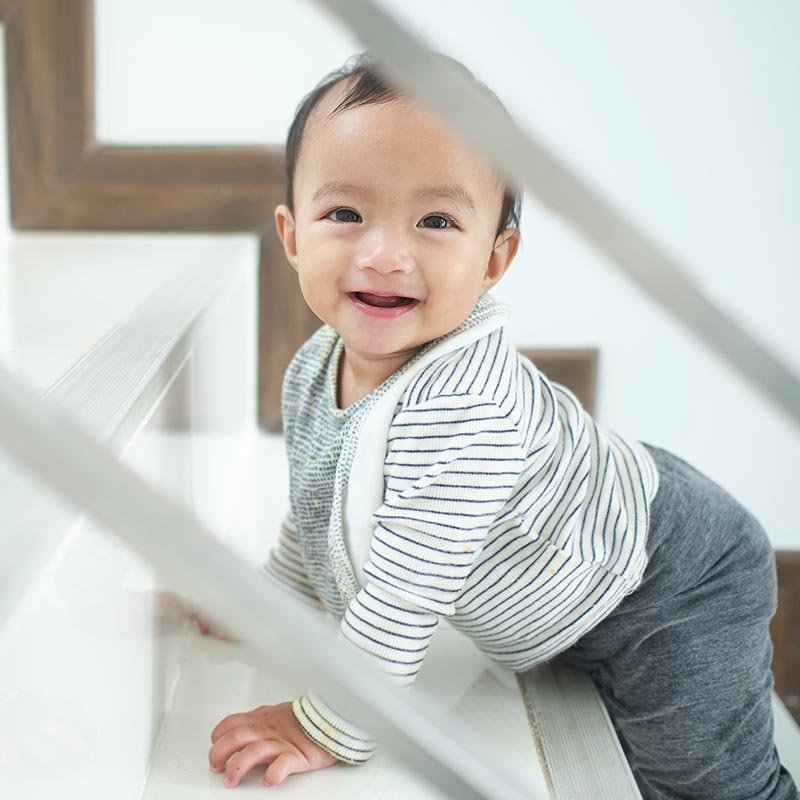
– Postural adjustment (feed forward activation of muscles in anticipation of destabilized forces by the movement: Ability to adjust their crawling or walking in response to the rigidity, slipperiness, or slant of surfaces, balancing activities on trampolines or tracking moving objects
Eg: When a child runs to catch a ball, the child must gauge the speed and distance of the ball as it travels in-flight. The child uses its senses (visual-spatial awareness) to judge where the ball will land or the time it will take for the ball to reach its destination.