How does stress impact child development?
Learning to deal with stress is an important part of a child’s development. Children can grow up with a variety of stressors in their life. These can have an adverse impact on their future if they do not learn to cope with them.
However, not all stress is bad. The three types of stress a child can experience are:
- Positive Stress – this refers to the normal negative reactions’ children encounter during common or routine life events such as learning to ride a bicycle, or the ice-cream fell. These cause a brief and temporary increase in stress levels.
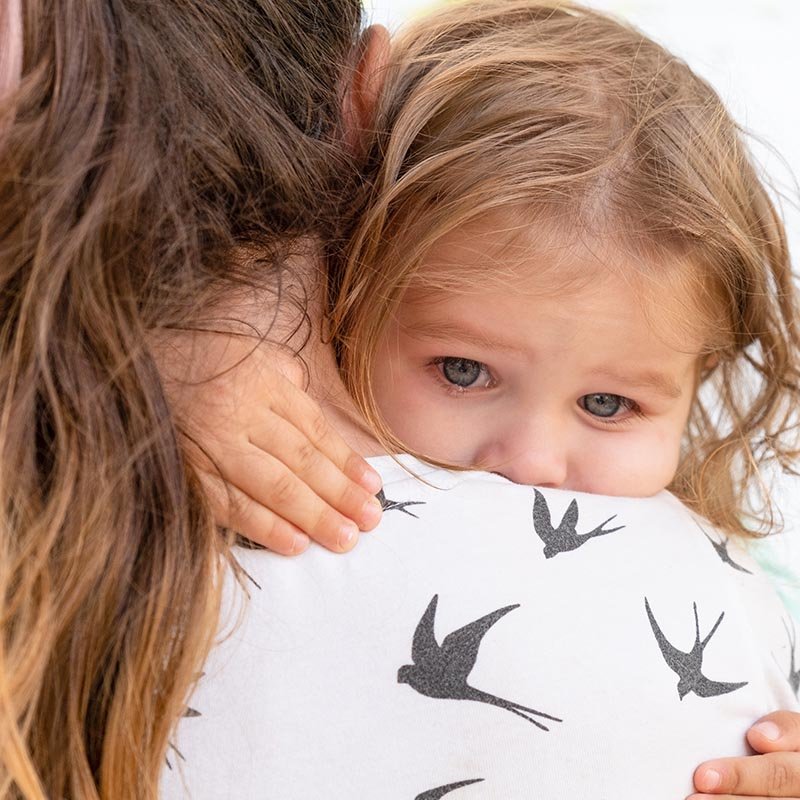
- Tolerable Stress – this refers to experiences that have more severe and potentially traumatic effects which may take more time to recover from. Examples include loss of a loved one or a frightening injury. These experiences can be damaging if support is not provided by the caregivers.
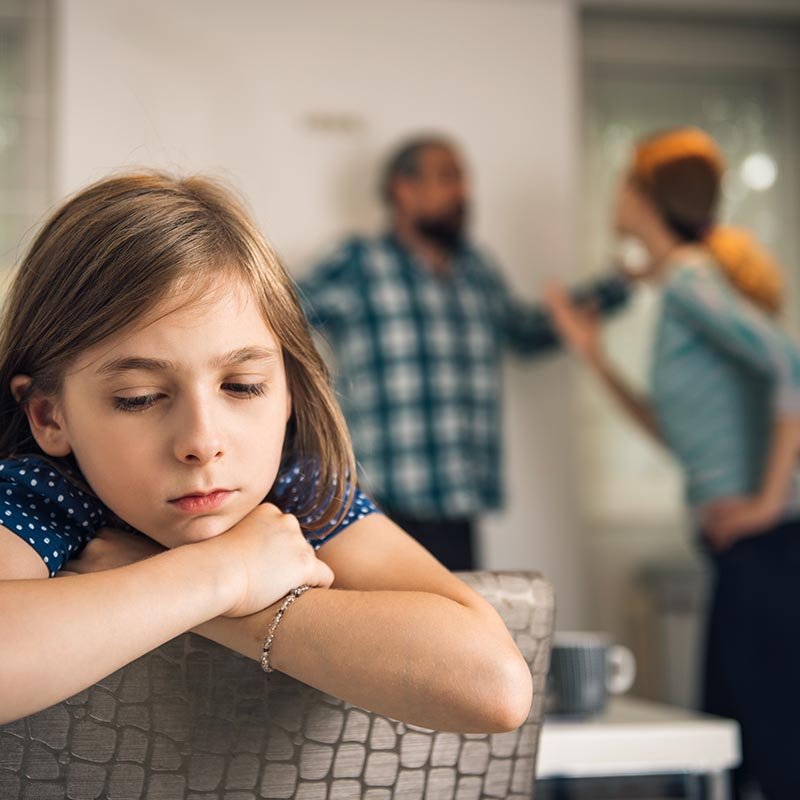
- Toxic Stress – this refers to adversities that are prolonged and traumatic and take place without the protection and care of an adult. Examples of these are neglect, abuse, and exposure to household dysfunction. This can disturb the mental and physical health of the child and cause severe cognitive impairment.