Neuron A (sees mother) —> Sends signal (synapse) to Neuron B (connection is formed Between Neuron A & B) —> Baby gives out a squeal Image??
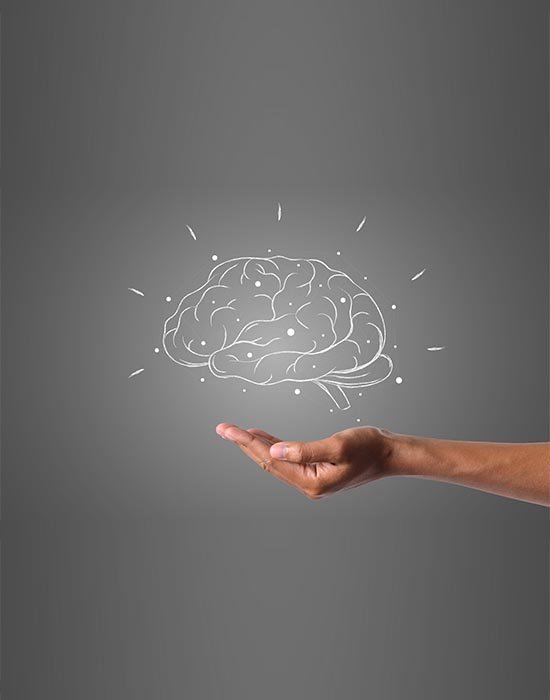
An adult brain has about 100 billion neurons.
Brain being the most complex of human organisms, is built up of a massive number of neurons (nerve cells). The prenatal stage is a period of rapid growth of the neural systems, however the connections (formed on account of experiences) amongst them take place only after birth.
The neurons produced (at a rapid rate), migrate to different locations of the brain to carry out specific functions.
Brain research indicates that upto age 10, are the years of prime learnings and are therefore labelled as “window of opportunity” The brain is most receptive and responsive during these years. (Center on the Developing Child at Harvard University, 2010)
Plasticity is the ability of the brain to develop and change as per the experiences. Every little gesture the baby does is a result of synapse formation.
Very young children participate in their own brain development by signalling their needs. Strong neural pathways are created by experiences, especially responsive relationships. A new-born does so much:
- Forever trying to get your attention by cooing
- Must whine out loud every time he/she wants to be fed
- Gazes around, trying to make sense of the surroundings
- Throws out arms and legs (sometimes just like an eggbeater!!)
Every object they see for the first time is amusing for them and gets registered as a memory.
These are just a fraction of examples. Billions of intricate connections forms as they grow. Every experience (big or small) sends a signal to the brain cells which through connections gives out signals for action or stores the information as a memory.
Everything around is new for these little ones, anything and everything catches their fancy and gets manifested into strong neural pathways.
Having said that, emotionally intense experiences, be it pleasant or unpleasant leave lifelong deep impacts on the brain. In absence of nurturing relationships such toxic-stress during early childhood can have adverse effects on the development of the neurological system
During preschool and the primary grades, considerable growth and change take place in the frontal lobes of the brain, the areas that are responsible for regulating thought and action (Obradović, Portilla, & Boyce, 2012). As a result, the skills such as attention, impulse control, planning, reasoning, problem solving, and memory, improve considerably during these years.